Quinoa (Chenopodium quinoa) is a versatile, nutrient-rich seed that has gained recognition as an ingredient in modern food manufacturing. Although commonly used like a cereal grain, quinoa is botanically classified as a pseudocereal. Its nutritional characteristics, adaptability and range of culinary applications make it relevant to food manufacturers, ingredient suppliers and product developers worldwide. Today, quinoa is used in a wide variety of food products, including ready-to-eat meals, grain bowls, salads, breakfast cereals, multigrain blends and flour-based formulations. However, selecting the right type of quinoa is an important consideration in commercial food production. Differences in grain colour, texture, flavour and cooking characteristics can influence a product's appearance, sensory experience and intended application. White, red, black and tricolour quinoa offer different possibilities for food formulation. Understanding their characteristics helps manufacturers and ingredient buyers make more informed sourcing decisions. At Puresaiens Health Pvt. Ltd., we focus on supplying Indian-origin quinoa ingredients for commercial food applications. In this guide, we explore the key differences between these four quinoa offerings and their potential uses across the food industry.
Quinoa (Chenopodium quinoa) is available in several natural seed colours, with white, red and black quinoa being widely recognised in commercial food applications. Although these types belong to the same botanical species, they can differ in appearance, flavour, texture and cooking characteristics depending on the cultivar, growing conditions and processing methods. White quinoa is recognised for its light cream-coloured grains and versatility across food formulations. Red quinoa offers a distinctive reddish appearance, while black quinoa provides a darker colour that can create visual contrast in finished food products. Tricolour quinoa, unlike the individual colour types, is a blend of white, red and black quinoa. It combines different grain colours in a single product, making it suitable for manufacturers seeking a multicoloured appearance in grain-based formulations. Blend proportions may be adjusted according to agreed product requirements. For food manufacturers and bulk quinoa buyers, selecting the appropriate type involves more than appearance. Factors such as grain consistency, cooking performance, processing quality and intended food applications also influence ingredient selection. Understanding these distinctions provides a foundation for evaluating which quinoa type best suits a particular food product.
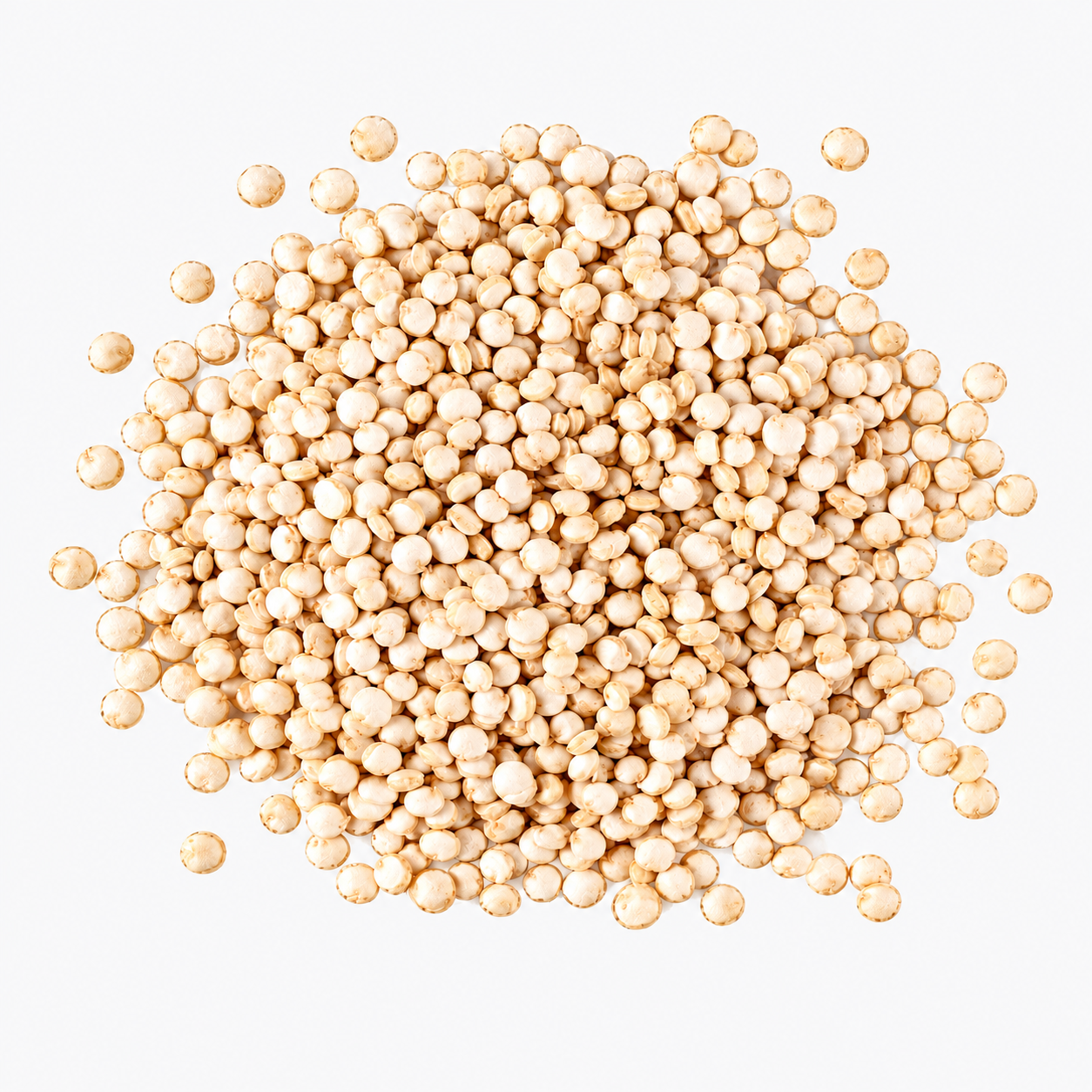
White quinoa is one of the most widely recognised types of quinoa used in food manufacturing. Characterised by its light cream to ivory-coloured grains, white quinoa is valued for its versatility, relatively mild flavour and adaptability across a broad range of food formulations.
Appearance, Flavour and Texture
White quinoa has a light, neutral appearance that allows it to blend easily with other ingredients without significantly altering the visual presentation of finished food products. Its flavour is generally described as mild, with subtle earthy or nutty notes.
When properly prepared, white quinoa can develop a relatively tender texture while maintaining a recognisable grain structure. However, actual cooking behaviour depends on the cultivar, grain characteristics, processing conditions and preparation method.
Common Food Applications
The versatility of white quinoa for food manufacturing makes it suitable for several product categories, including:
• Ready-to-eat meals: Used as a grain ingredient in prepared meals and convenience food formulations.
• Grain bowls and salads: Provides a light-coloured base that complements vegetables, legumes and other grains.
• Breakfast products: Incorporated into grain-based breakfast formulations and cereal blends.
• Multigrain formulations: Combined with other grains and seeds to develop differentiated food products.
• Flour-based products: Can be milled and evaluated for use in bakery and other formulated food applications.
White Quinoa from Puresaiens
Puresaiens Health offers Indian-origin white quinoa for bulk supply, supporting food manufacturers, ingredient importers and food brands seeking quinoa for commercial applications. Product specifications, available grades, packaging options and relevant documentation can be discussed according to buyer requirements.
Selecting suitable white quinoa involves evaluating grain quality, processing characteristics and consistency against the intended food application.
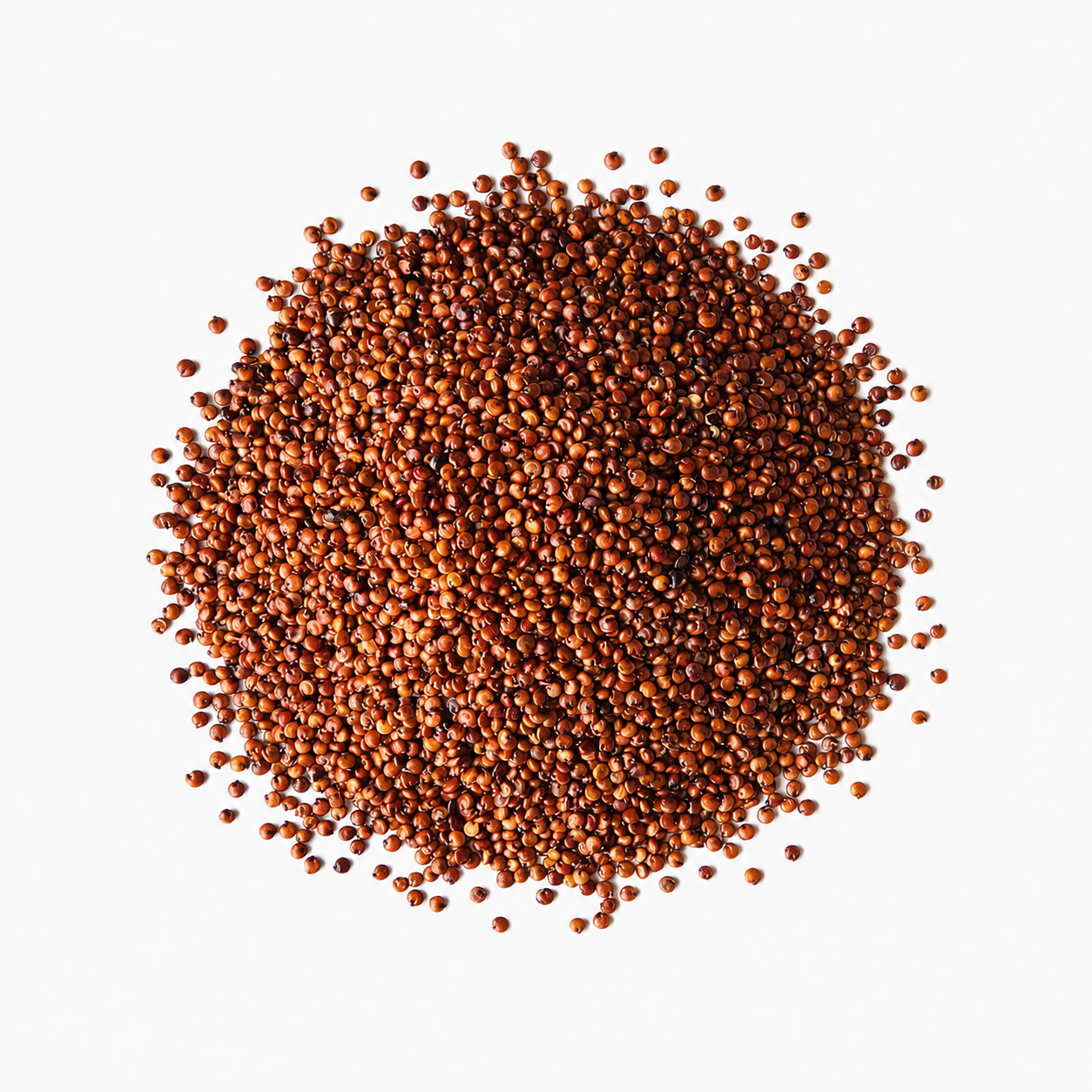
Red quinoa is a distinctive type of quinoa recognised for its reddish to reddish-brown grains and attractive appearance in finished food products. Its natural colour makes it an appealing ingredient for food manufacturers seeking visual contrast, grain definition and variety in their formulations.
Compared with white quinoa, certain red quinoa varieties may exhibit a firmer cooked texture, making them useful for applications where maintaining grain structure is desirable.
Appearance, Flavour and Texture
Red quinoa has a characteristic reddish-brown appearance that can add visual depth to grain-based food products. Its flavour is often described as mildly earthy or nutty, although sensory characteristics vary with the cultivar and processing method.
When cooked, some red quinoa varieties tend to retain a firmer texture and more distinct grain structure. However, actual cooking performance depends on grain quality, preparation conditions and the specific variety used.
Common Food Applications
The distinctive appearance and potential texture characteristics of red quinoa for food manufacturing make it suitable for several commercial applications:
• Prepared salads: Provides colour contrast and a recognisable grain appearance in chilled and ready-to-eat salads.
• Grain bowls: Can be combined with vegetables, legumes and other grains in prepared meal formulations.
• Ready-to-eat meals: Offers an alternative grain ingredient for convenience foods and prepared meal products.
• Multigrain blends: Adds visual variety when combined with white quinoa, black quinoa or other grains.
• Foodservice applications: Can be incorporated into salads, grain-based side dishes and other prepared food products.
Red Quinoa from Puresaiens
Puresaiens Health offers Indian-origin red quinoa for bulk supply, serving food manufacturers, ingredient importers, distributors and food brands.
Our red quinoa offering supports commercial ingredient sourcing, with product specifications, packaging formats and relevant documentation available according to buyer requirements.
For food manufacturers, selecting suitable red quinoa involves evaluating grain appearance, consistency, processing quality and cooking performance against the intended product application.
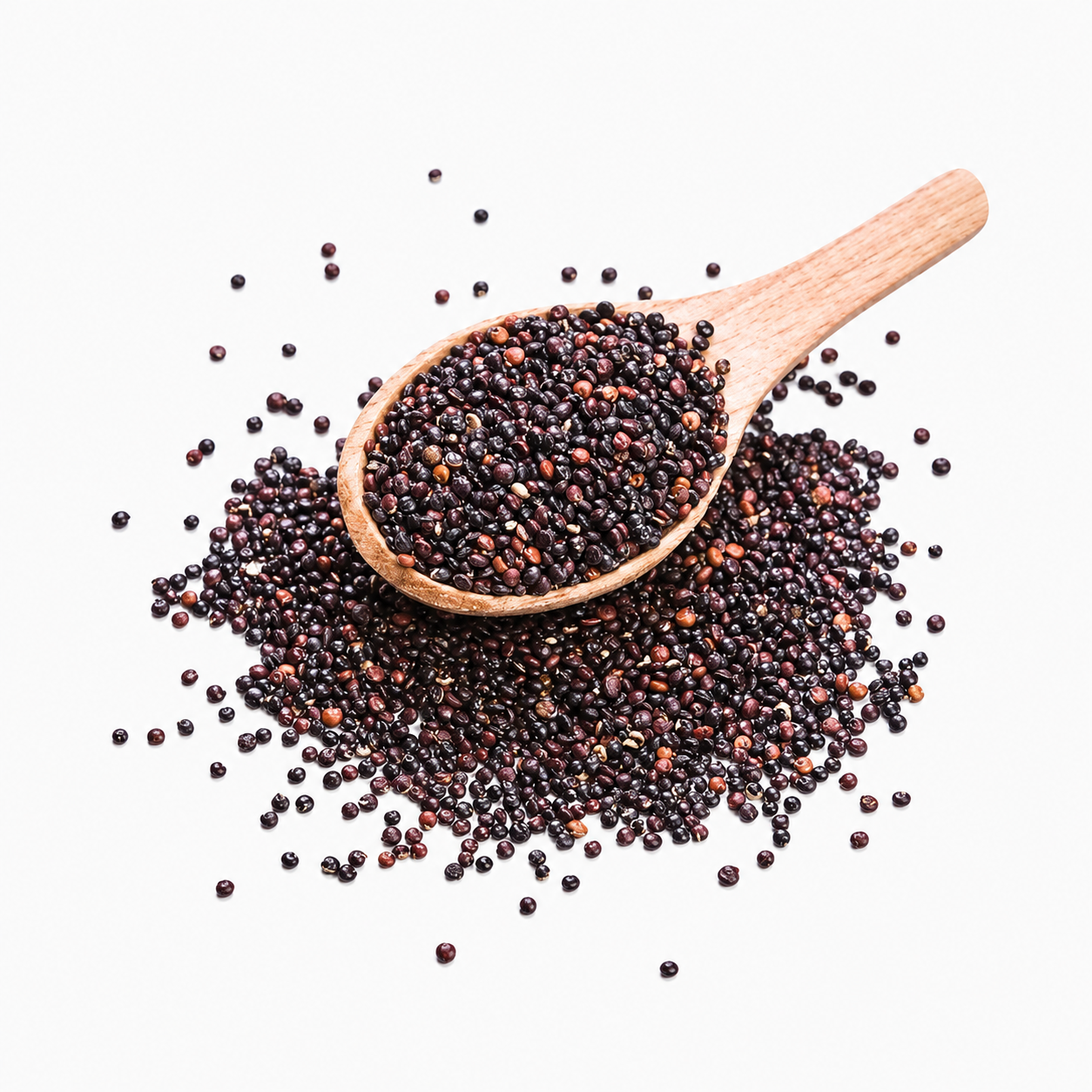
Black quinoa is a distinctive type of quinoa recognised for its dark brown to black grains and striking visual appearance. Its natural colour makes it an attractive ingredient for food manufacturers seeking differentiation, visual contrast and variety in grain-based food products.
Compared with lighter-coloured quinoa, certain black quinoa varieties may exhibit a firmer cooked texture and more pronounced grain definition. These characteristics can be useful in formulations where maintaining a recognisable grain appearance is important.
Appearance, Flavour and Texture
Black quinoa has a naturally dark seed coat that creates an appealing contrast when combined with vegetables, legumes and lighter-coloured grains. Its flavour is generally described as earthy or mildly nutty, although the exact sensory profile depends on the cultivar, growing conditions and processing methods.
When properly cooked, some black quinoa varieties may retain a relatively firm texture and distinct grain structure. However, cooking performance, tenderness and flavour can vary between varieties and processing conditions.
Common Food Applications
The distinctive appearance and potential texture characteristics of black quinoa for food manufacturing make it suitable for several commercial applications:
• Premium grain blends: Adds natural dark-coloured grains to multigrain formulations, creating visual contrast and a differentiated product appearance.
• Prepared salads: Provides an attractive grain ingredient for chilled salads and ready-to-eat food products.
• Grain bowls: Can be incorporated into prepared grain bowls alongside vegetables, legumes and other ingredients.
• Plant-based meals: Offers an alternative grain ingredient for plant-based ready meals and formulated food products.
• Tricolour quinoa blends: Can be combined with white and red quinoa to create multicoloured grain mixtures according to specific product requirements.
• Foodservice applications: Can be used in grain-based side dishes, prepared meals and other culinary formulations where colour and presentation are important.
Black Quinoa from Puresaiens
Puresaiens Health offers Indian-origin black quinoa for bulk supply, supporting food manufacturers, ingredient importers, distributors and food brands seeking distinctive quinoa ingredients for commercial applications.
Our black quinoa offering supports bulk ingredient sourcing, with product specifications, available packaging formats and relevant documentation provided according to buyer requirements.
For food manufacturers and ingredient buyers, selecting suitable black quinoa involves assessing grain appearance, consistency, processing quality and cooking characteristics to ensure compatibility with the intended food application.
Tricolour quinoa is a visually distinctive blend of white, red and black quinoa that combines three natural grain colours in a single ingredient. Its multicoloured appearance makes it an attractive choice for food manufacturers seeking variety, visual appeal and product differentiation in grain-based food formulations.
Unlike individual quinoa colour types, tricolour quinoa is a formulated blend rather than a separate botanical variety. The proportions of white, red and black quinoa can be established according to agreed product specifications and buyer requirements.
Appearance, Flavour and Texture
Tricolour quinoa features a natural combination of cream, reddish-brown and dark-coloured grains, creating a balanced and visually appealing mixture. This colour variation adds visual interest to finished food products without requiring artificial colouring.
Its flavour profile is generally mild, with earthy or nutty notes that may vary depending on the individual quinoa components and their blending proportions.
When cooked, the different quinoa components may exhibit variations in tenderness and grain firmness. As a result, manufacturers should evaluate the cooking behaviour of the complete blend to achieve the desired texture and consistency in finished products.
Common Food Applications
The multicoloured appearance and formulation flexibility of tricolour quinoa for food manufacturing make it suitable for several commercial applications:
• Ready-to-eat grain bowls: Provides a visually appealing grain base for prepared meals containing vegetables, legumes and other ingredients.
• Prepared salads: Adds natural colour variation to chilled salads and convenience food products.
• Premium multigrain blends: Can be combined with other grains and seeds to develop differentiated grain-based formulations.
• Retail quinoa products: Offers an attractive multicoloured ingredient for consumer-packaged quinoa and private-label product ranges.
• Foodservice applications: Can be incorporated into prepared grain dishes, side dishes and meal components where presentation is important.
• Custom grain formulations: Allows manufacturers to evaluate different proportions of white, red and black quinoa according to specific product development requirements.
Tricolour Quinoa from Puresaiens
Puresaiens Health offers Indian-origin tricolour quinoa for bulk supply, supporting food manufacturers, ingredient importers, distributors and private-label brands seeking multicoloured quinoa ingredients for commercial applications.
Our tricolour quinoa combines white, red and black quinoa, with blending proportions established according to agreed buyer requirements. Product specifications, available packaging formats and relevant documentation can be provided to support commercial sourcing decisions.
For food manufacturers and bulk ingredient buyers, selecting suitable tricolour quinoa involves evaluating blend consistency, grain quality, cooking performance and visual appearance to ensure compatibility with the intended food application.

Each quinoa type offers distinct possibilities for food product development. White quinoa provides versatility across different formulations, while red and black quinoa offer contrasting natural colours and potential differences in cooked texture. Tricolour quinoa combines these visual characteristics in a single blend.
However, grain colour alone should not determine ingredient selection. Manufacturers should also consider product specifications, grain consistency, processing quality, cooking performance and intended applications before choosing quinoa for commercial production.
White, red, black and tricolour quinoa offer different characteristics that can influence their suitability for commercial food applications. While all three individual colour types belong to the same botanical species, Chenopodium quinoa, they may differ in grain appearance, flavour and cooking behaviour depending on the cultivar and processing conditions.
For food manufacturers and bulk quinoa buyers, understanding these differences helps identify suitable ingredients for ready meals, salads, grain bowls, breakfast products and multigrain formulations.
The following quinoa comparison table highlights their general characteristics and potential food applications, providing a practical reference for ingredient selection.
| Quinoa Type | Appearance | Cooking Characteristics | Common Food Applications |
|---|---|---|---|
| White Quinoa | Light cream to ivory | Generally mild flavour; relatively tender in many preparations | Ready meals, grain bowls, breakfast products, flour blends |
| Red Quinoa | Red to reddish-brown | Some varieties exhibit a firmer texture and distinct grain structure | Prepared salads, grain bowls, meal kits, multigrain blends |
| Black Quinoa | Dark brown to black | Some varieties exhibit firmer textures; distinctive colour contrast | Premium grain blends, prepared salads, plant-based meals |
| Tricolour Quinoa | Combination of white, red and black quinoa | Depends on the component varieties and blending ratio | Retail quinoa mixes, grain bowls, salads, prepared meals |
Each quinoa type offers distinct possibilities for food product development. White quinoa provides versatility across different formulations, while red and black quinoa offer contrasting natural colours and potential differences in cooked texture. Tricolour quinoa combines these visual characteristics in a single blend.
However, grain colour alone should not determine ingredient selection. Manufacturers should also consider product specifications, grain consistency, processing quality, cooking performance and intended applications before choosing quinoa for commercial production.
Share your product requirements, estimated quantity and destination market. Our team will get back to you with relevant product and supply information.